
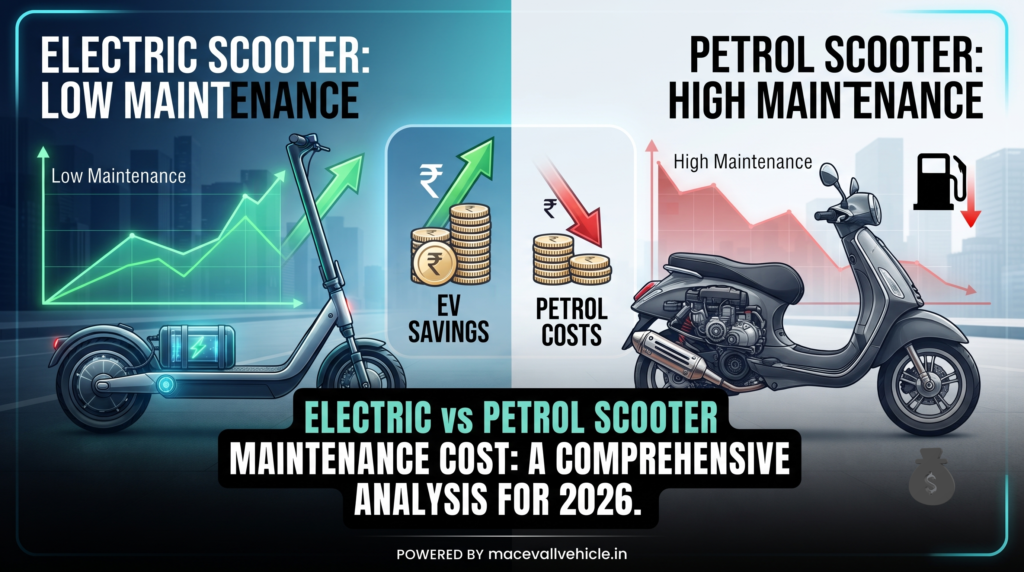
Electric scooter vs petrol scooter maintenance cost is the single most important factor for modern commuters when deciding how to invest their hard-earned money. As we move through 2026, the shift toward electric mobility is no longer just about environmental consciousness; it has become a fundamental shift in household economics. At macevallvehicle.in , We have analysed the long-term data to help you understand why this comparison is tipping heavily in favour of electric vehicles (EVs). When you look at the total cost of ownership over five years, the gap between a traditional internal combustion engine (ICE) and an electric drivetrain is nothing short of transformative.
Understanding the Financial Impact of Electric Scooter vs Petrol Scooter Maintenance Cost
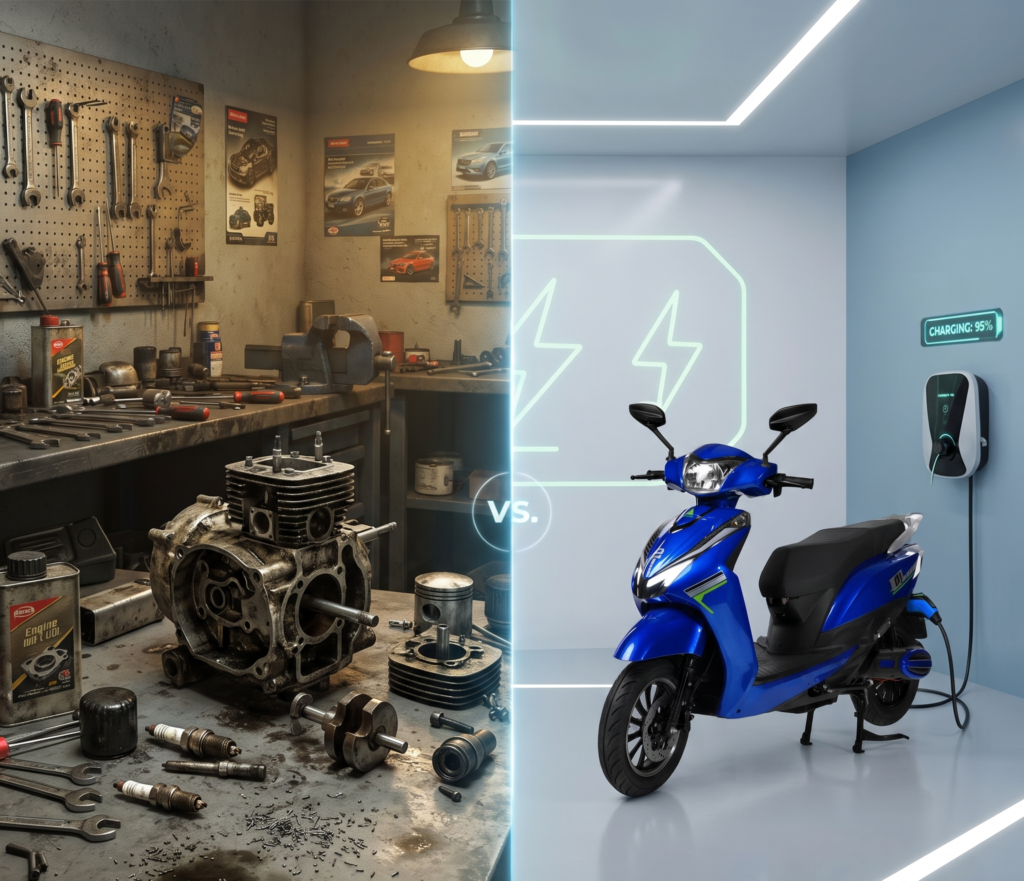
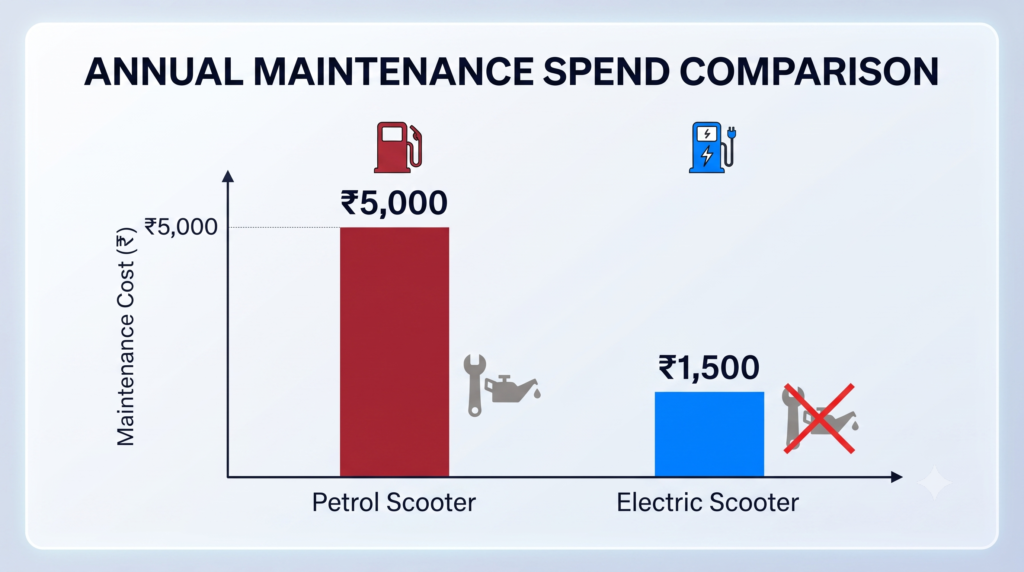
Electric scooter vs petrol scooter maintenance cost differences are primarily rooted in mechanical complexity. A conventional petrol scooter relies on an intricate engine involving hundreds of moving parts—pistons, valves, crankshafts, and complex transmission systems—all of which require consistent lubrication, cooling, and mechanical attention. In contrast, an electric scooter utilises a direct-drive motor powered by a battery pack, resulting in a system with fewer than 20 moving parts. This mechanical simplicity means that the “maintenance marathon” associated with petrol scooters is largely avoided. Owners of petrol models often spend ₹4,000–₹6,000 annually on oil changes, air filter replacements, and carburettor cleaning, whereas an electric scooter owner typically pays only for periodic brake, tyre, and electrical health checks.
Why Long-Term Ownership Favours EVs
Electric scooter vs petrol scooter maintenance cost data from 2026 clearly shows that over a 5-year ownership cycle, an EV rider saves nearly ₹30,000 to ₹50,000 on service alone. When you factor in the fuel savings—which can reach upwards of ₹1,00,000 for a commuter riding 40 km per day—the initial price gap between an EV and a petrol scooter is recovered within the first two years. For students and office-goers, this means that every kilometre travelled on an electric scooter is a direct investment in their savings. At macevallvehicle.in , We emphasise that the “sticker price” is just the start; the real price you pay is what you spend month after month to keep your vehicle on the road.
Reducing Your Daily Commuting Expenses
Electric scooter vs petrol scooter maintenance cost comparisons are incomplete without mentioning the convenience of home charging, which eliminates the “petrol pump burden.” Unlike petrol scooters that require a constant inflow of expensive fuel, electric scooters allow you to charge your vehicle at home using a standard 5-amp socket, costing roughly ₹0.20–₹0.30 per kilometre. By removing the need for frequent engine-related servicing and expensive petrol stops, you are essentially giving yourself a monthly “salary raise.” This is why thousands of urban riders are making the switch—the financial freedom provided by a lower-maintenance, highly efficient electric vehicle is unmatched in the current market.
Routine Upkeep for Your Electric Vehicle
Electric scooter vs petrol scooter maintenance cost efficiency can be maximised by following a few simple tips for your EV. Even though electric scooters require significantly less attention, they are not entirely “maintenance-free.” To ensure your battery remains in top condition, avoid letting the charge drop below 20% and refrain from high-pressure water washing, which can damage sensitive electrical components. By sticking to the recommended service schedule—which mainly involves monitoring brake pads, tyre pressure, and software health—you can extend the life of your scooter well beyond five years, keeping your operational costs near the absolute minimum.
Frequently Asked Questions (FAQs)
Q: Is the maintenance cost of an electric scooter truly lower than that of a petrol scooter?
A: Yes, absolutely. Because electric scooters lack a combustion engine, there are no oil changes, air filter replacements, or spark plug services. You only spend on consumables like brake pads, tyres, and general electrical inspections.
Q: Will I need to replace the battery, and will that be expensive?
A: While a battery replacement is a consideration after 5–7 years, the cumulative savings from fuel and routine servicing over that time typically exceed the cost of a new battery pack, making the net cost of ownership lower.
Q: Can I get my electric scooter serviced at a local mechanic?
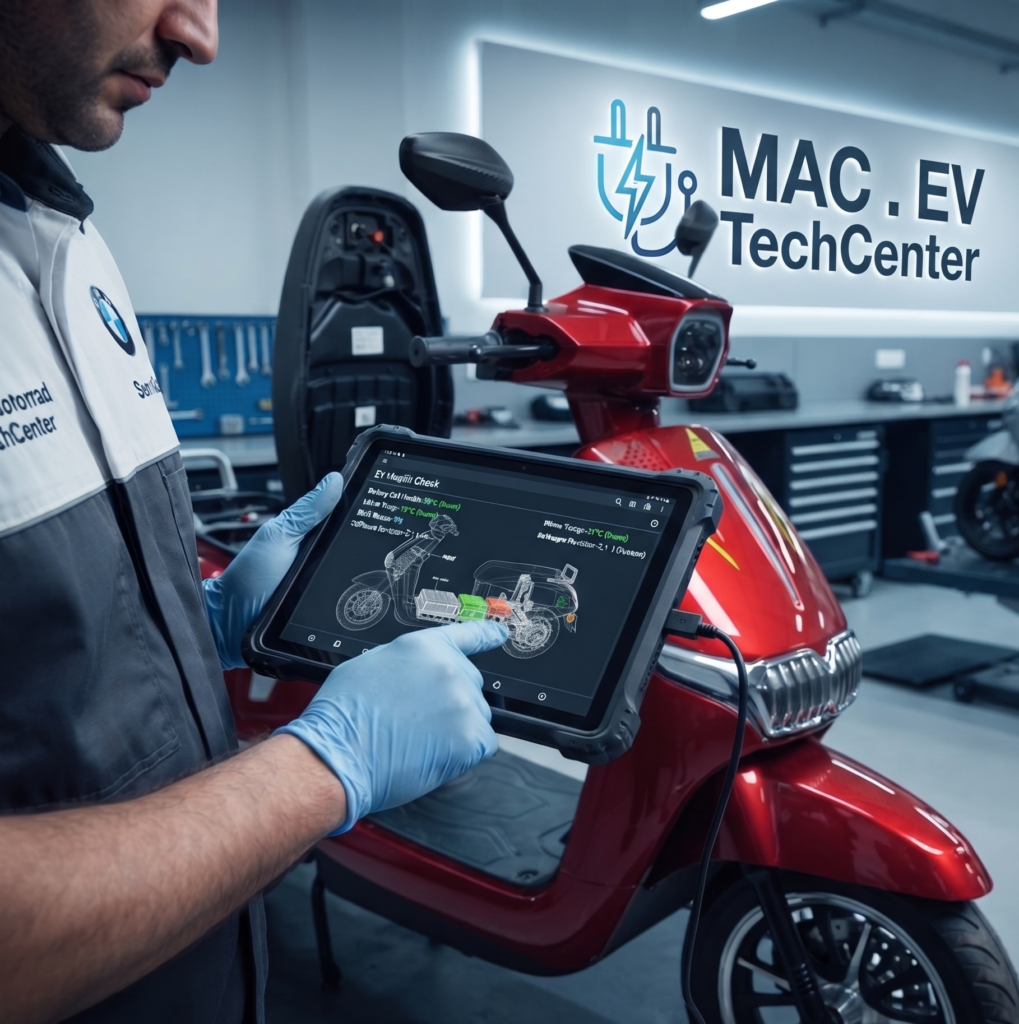
A: For basic tyre or brake work, any mechanic can help. However, for electrical and software-related health checks, it is highly recommended to visit an authorised service centre to ensure your warranty remains valid.
Q: Does the "maintenance cost" include the cost of charging?
A: Usually, maintenance cost refers to repairs and servicing, while charging is categorised under “running costs.” When combined, both are significantly cheaper for electric scooters, leading to the substantial total savings mentioned.
Q: Where can I find affordable electric scooters with reliable service?
A: At macevallvehicle.in , We specialise in identifying high-value electric vehicles that offer a perfect balance of performance and low-maintenance operation. We recommend choosing models from established brands with a robust service network in your area.